Model No.: TT-J001
Processing Service: Moulding, Cutting
Antistatic Property
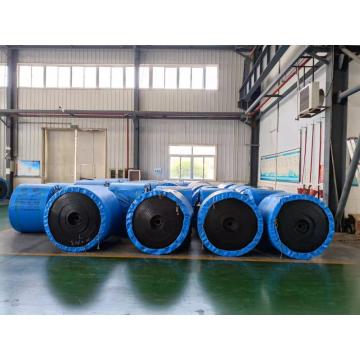
Flame Retardant Conveyor Belt for Hazardous Environments – Engineered for Safety, Performance, and Reliability This high-performance
Conveyor Belt is specifically designed for use in industrial settings where fire hazards, static electricity buildup, or explosive atmospheres pose significant risks. Combining antistatic properties with advanced flame-retardant technology, this belt ensures safe material transport in mining, chemical processing, oil & gas, and other high-risk sectors. Unlike standard belts, it meets stringent international safety standards such as EN 13849, ATEX, and FM approval, making it ideal for global deployment in hazardous locations. Key Features: - Antistatic Conductivity: Prevents dangerous electrostatic charge accumulation during operation, reducing the risk of ignition in volatile environments. - Flame-Retardant Construction: Utilizes specially formulated rubber compounds that self-extinguish when exposed to open flames, minimizing fire propagation and enhancing workplace safety. - Reinforced Fabric Core: Constructed from durable woven materials like polyester or nylon, offering superior tensile strength and flexibility under continuous load. - Dual-Sided Rubber Covers: The top cover (1.5–10 mm thick) resists abrasion from conveyed materials, while the bottom cover (0–6 mm) provides smooth running on pulleys and idlers without excessive friction. - Edge Protection: Integrated edge rubber enhances durability at the belt’s perimeter, preventing lateral wear and material spillage—critical for clean and efficient handling. Detailed Description: The structural integrity of this conveyor belt lies in its layered design. At its core, a robust fabric base made from interwoven synthetic fibers delivers consistent tensile strength and dimensional stability over time. This core is fully encapsulated by precision-engineered rubber covers—one on the working surface for maximum resistance to impact, abrasion, and chemical exposure, and another on the underside to reduce frictional heat and ensure smooth engagement with rollers. The side edges are reinforced with additional rubber profiles that act as both seals against material leakage and protective barriers against mechanical damage. What sets this product apart is its compliance with international flammability regulations; the flame-retardant formulation ensures rapid fire suppression upon contact with an ignition source, significantly lowering the potential for catastrophic incidents in confined or oxygen-rich environments. Ideal Applications: This conveyor belt excels in applications involving combustible substances, such as coal handling systems, grain silos, petrochemical plants, pharmaceutical manufacturing units, and powder processing facilities. It is also widely used in underground mining operations where ventilation limitations increase fire risk, and in facilities requiring intrinsically safe equipment per IECEx or ATEX directives. Its ability to operate reliably under extreme conditions—high temperatures, heavy loads, and abrasive materials—makes it a preferred choice for industries prioritizing both productivity and personnel safety. User Testimonials: Operators across Europe and North America have reported improved uptime and reduced maintenance costs after switching to this belt. One user in Germany noted, “We saw fewer false alarms related to static discharge, and our fire safety team confirmed the belt met all required certifications.” Another facility in Canada mentioned, “Even after six months of continuous operation in a dusty environment, there was no noticeable degradation in performance or safety features.” Frequently Asked Questions: What makes this belt suitable for hazardous areas? It incorporates antistatic additives and flame-retardant polymers that prevent spark generation and limit flame spread—essential for Class I, Division 2 or Zone 2 environments as defined by international explosion protection standards. Can it be customized for specific widths or thicknesses? Yes, manufacturers offer tailored solutions based on client specifications, including variable cover thicknesses, splice types, and reinforcement layers to match operational demands. How often should inspections be conducted? Routine checks every 30–60 days are recommended to assess wear patterns, edge integrity, and electrical conductivity levels—ensuring continued compliance with safety protocols. Is it compatible with existing conveyor systems? Absolutely—it can be integrated into most standard belt-driven setups without modification, provided the drive components are rated for similar operating conditions.











 Contact Now