Model No.: TT-C010
Processing Service: Moulding, Cutting
Corrugated
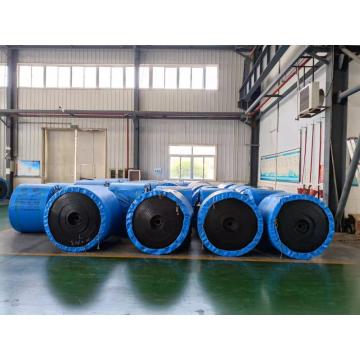
EP Conveyor Belt for Superior Grip and Long-Lasting Performance in Demanding Industrial Environments Engineered for high-efficiency material handling, this corrugated EP (Polyester)
Conveyor Belt delivers exceptional durability, oil resistance, and structural stability—making it an ideal solution for industries where reliability and performance under stress are non-negotiable. Designed with advanced materials and precision manufacturing, the belt ensures consistent operation even in harsh conditions involving lubricants, chemicals, or heavy loads. Key Features: - High-strength polyester fabric carcass offers excellent tensile strength and dimensional stability - Nitrile rubber cover provides superior resistance to oils, solvents, and abrasion - Low volume change rate (<10%) after exposure to aviation-grade lubricants ensures minimal deformation - Corrugated surface enhances grip on inclined conveyors, reducing slippage and improving safety - Excellent thermal and aging resistance maintains performance over extended periods Detailed Description: The core of this industrial conveyor belt is constructed from premium polyester canvas—a material known for its high tensile modulus, low elongation under load, and excellent fatigue resistance. Unlike traditional cotton or nylon alternatives, polyester offers a balanced blend of strength, flexibility, and long-term resilience, especially in environments that demand continuous operation without frequent maintenance. The outer layer is made from nitrile butadiene rubber (NBR), typically with a high acrylonitrile content, which significantly boosts oil compatibility and chemical resistance. This means the belt won’t swell, crack, or degrade when exposed to common industrial fluids like hydraulic oils, greases, or cleaning agents. During standardized testing involving 24 hours of contact with 20# aviation lubricating oil at 50°C, the belt exhibits a volume change rate of no more than 10%, ensuring predictable behavior and reliable performance across diverse applications. This design also incorporates a unique corrugated profile, enhancing traction on both horizontal and inclined surfaces—an essential feature for automated systems handling bulk or slippery goods. Whether transporting components through automotive assembly lines or moving processed food items in a hygienic facility, the textured surface minimizes material displacement and maximizes throughput efficiency. Ideal Applications: Commonly used in petrochemical processing plants, mechanical engineering workshops, automotive manufacturing units, food production facilities, and logistics centers, this oil-resistant conveyor belt excels in scenarios where materials may come into contact with hydrocarbons, adhesives, or other petroleum-based substances. It’s particularly well-suited for use in food-grade settings where cleanliness and compliance with hygiene standards are critical, as well as in industrial zones requiring robust belts that resist degradation from repeated exposure to aggressive chemicals. User Feedback: Customers report significant reductions in downtime due to belt failure, improved product flow accuracy on steep inclines, and fewer replacements over time compared to standard rubber belts. Many appreciate the quiet operation and smooth running characteristics, which contribute to lower noise levels in factory environments—a factor often overlooked but crucial for worker comfort and regulatory compliance. Frequently Asked Questions: What makes this belt different from standard rubber conveyor belts? It features a reinforced polyester carcass and a specialized nitrile rubber compound that resists swelling, cracking, and wear caused by oils and solvents—offering up to 30% longer service life in demanding applications. Is it suitable for food processing environments? Yes, when manufactured using food-safe compounds, this belt meets hygiene standards for indirect contact with consumable products, making it appropriate for conveying packaged goods in bakeries, meatpacking plants, and beverage bottling lines. How does the corrugated design improve performance? The raised ribs increase frictional force between the belt and conveyed materials, preventing slippage on angled sections and enabling efficient uphill transport without additional tensioning mechanisms. Can it handle heavy-duty operations? Absolutely—it supports high tensile loads while maintaining shape integrity, making it perfect for continuous-duty operations in mining, construction, and packaging sectors.











 Contact Now