Model No.: TT-E003
Brand: TieTa Rubber
Origin: KaiFeng He Nan China
Certification: ISO9001,Conformité Européene
Place Of Origin: China
Processing Service: Moulding, Cutting
Strong Resistance To Oil Swelling: Complies with ASTM D471 or ISO 1817
-20 ℃ To-120 ℃: High retention rate of tensile strength
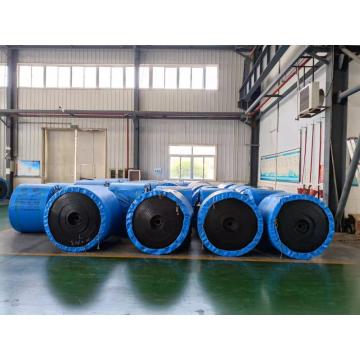
Packaging: Roll packaging,Wooden crate/wooden frame packaging,Palletizing,Special environmental packaging,Bare packaging and simple packaging
Productivity: Month supply capacity of 50000
Transportation: Land
Place of Origin: KaiFeng He Nan China
Supply Ability: 500000/㎡
Certificate: ISO9001,Conformité Européene
HS Code: 4010120000
Port: Qing Dao Port, Tian Jin Port,Ning Bo Port
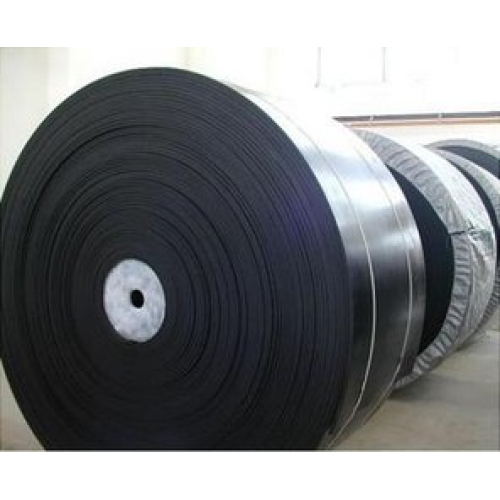
Chemical Resistant Nylon/Polyester Canvas Conveying Belt System – Durable, Oil-Proof, and Engineered for Industrial Excellence This high-performance
Conveyor Belt system is specifically engineered for demanding industrial environments where chemical exposure, oil resistance, and mechanical durability are critical. Combining advanced materials like nylon and polyester fabric cords with a nitrile rubber cover, this belt delivers exceptional longevity, stability, and safety in applications involving oils, solvents, and harsh chemicals. Key Features: - Superior chemical and oil resistance due to nitrile rubber formulation with high acrylonitrile content - Enhanced tensile strength from nylon and polyester cord layers for reliable load-bearing performance - Dimensional stability under varying temperatures and humidity levels - Anti-corrosion properties that prevent swelling or degradation when exposed to organic solvents - Low elongation under tension, ensuring consistent operation and reduced maintenance needs Detailed Description: The structure of this conveying belt integrates a reinforced fabric core composed of either nylon or polyester canvas, both offering distinct advantages over traditional cotton-based alternatives. While cotton provides cost-effective softness, it lacks the tensile strength required for heavy-duty use. Nylon excels in abrasion resistance and elasticity, making it ideal for dynamic conveyor systems. Polyester offers excellent dimensional stability, minimal stretch, and long-term reliability—particularly valuable in continuous operation settings. The outer cover layer is made from premium-grade nitrile rubber, which has been optimized for maximum resistance to petroleum-based fluids, hydraulic oils, and aggressive cleaning agents. This material choice ensures that the belt maintains its integrity even after prolonged contact with corrosive substances, significantly reducing downtime and replacement frequency. Unlike standard belts that degrade quickly in chemically active environments, this system resists swelling, cracking, and surface breakdown—an essential feature for industries such as automotive manufacturing, chemical processing, food packaging (with non-toxic formulations), and pharmaceutical production. Its robust design supports smooth, efficient material transfer across conveyors while minimizing friction-related wear and tear. Ideal Use Cases: This conveyor belt is widely used in sectors requiring durable, low-maintenance transport solutions. It’s particularly suited for applications involving lubricants, fuels, adhesives, paints, and other petroleum-derived products. Industries such as petrochemicals, plastics manufacturing, metalworking, and logistics benefit from its ability to perform reliably under extreme conditions without compromising safety or productivity. Customer Feedback: Users report extended service life compared to conventional belts, especially in environments where frequent chemical spills occur. Many appreciate the belt’s quiet operation and consistent tracking, which contribute to smoother workflow integration. Customers also highlight how the absence of odor or off-gassing makes it suitable for enclosed or sensitive areas. Frequently Asked Questions: What makes this belt resistant to chemicals and oils? The primary factor is the use of nitrile rubber with a high acrylonitrile content, which forms a protective barrier against hydrocarbons and solvent penetration. Additionally, the synthetic fiber core minimizes moisture absorption and structural fatigue. Is it suitable for food-grade applications? Yes, when manufactured with food-safe rubber compounds, this belt complies with international standards for indirect food contact, making it appropriate for certain food processing lines. How does it compare to PVC or rubber-only belts? Unlike single-material belts, this hybrid design combines mechanical strength from textile reinforcement with chemical resilience from specialized elastomers—offering superior overall performance in complex industrial scenarios. This product stands out not only for its technical superiority but also for its adaptability across global markets, meeting stringent environmental and operational demands in North America, Europe, Australia, and beyond.










 Contact Now