Model No.: TT-A02
Brand: TieTa Rubber
Origin: KaiFeng He Nan China
Certification: ISO 9001 Conformité Européene
Place Of Origin: China
Processing Service: Moulding, Cutting
Natural Cotton Canvas Core: Multi layer canvas core structure
Soft, Moisture Absorbing, Breathable: Transportation under normal temperature
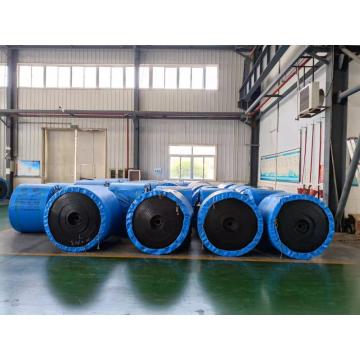
Packaging: Roll packaging,Wooden crate/wooden frame packaging,Palletizing,Special environmental packaging,Bare packaging and simple packaging
Productivity: Month supply capacity of 50000
Transportation: Ocean,Land
Place of Origin: KaiFeng He Nan China
Supply Ability: 500000/㎡
Certificate: ISO 9001 Conformité Européene
HS Code: 59100000
Port: Qing Dao Port,Tian Jin Port,Ning bo Port
Cotton Canvas Conveyor Belt: Durable, Versatile, and Engineered for Industrial Excellence This high-performance cotton
Canvas Conveyor Belt is a robust solution designed for demanding material handling applications across global industries. Whether you're managing bulk goods in mining, processing food in manufacturing, or transporting raw materials in construction, this belt delivers reliable performance under varied conditions. With its premium-grade fabric cord structure and customizable cover rubber options, it stands out as a versatile workhorse in modern logistics systems. Key Features: - Reinforced cotton fabric carcass ensures exceptional tensile strength and flexibility - Multiple cover rubber types tailored to specific environmental challenges - Low elongation under load for consistent operation over time - Resistance to abrasion, temperature extremes, and chemical exposure - Seamless integration into existing conveyor systems with minimal downtime Detailed Description: The cotton canvas
Conveyor Belt combines traditional textile durability with advanced engineering. Its core consists of woven cotton fabric cords embedded in a resilient rubber matrix, offering a balance between flexibility and structural integrity. This design allows the belt to maintain dimensional stability while absorbing shock loads during start-up and stop cycles—a critical factor in reducing maintenance costs and extending service life. The available cover rubbers include standard rubber for general-purpose use, heat-resistant variants for elevated temperatures up to 120°C, acid-alkali resistant compounds for chemical processing environments, oil-resistant formulations for lubricant-heavy operations, flame-retardant and burn-resistant options for hazardous settings, and polyester (EP) or nylon-based belts for enhanced strength-to-weight ratios. Each variant is rigorously tested to meet international standards for safety, efficiency, and longevity. Use Cases: Ideal for industries such as agriculture, cement production, food processing, packaging, and recycling facilities where continuous movement of heavy or abrasive materials is required. It excels in environments involving moderate temperatures, dusty conditions, or exposure to moisture and mild chemicals—making it a preferred choice for both indoor and outdoor applications worldwide. Customer Feedback: Users consistently praise its reliability in high-cycle operations, noting reduced slippage and fewer belt failures compared to older models. Many appreciate the ability to customize the outer layer based on their operational needs, which enhances both safety and productivity. One user from Germany reported a 30% decrease in maintenance intervals after switching to the heat-resistant version for a quarry application. Frequently Asked Questions: What makes this belt different from synthetic alternatives? Unlike purely synthetic belts, this cotton canvas option offers superior flexibility at lower cost, especially in non-extreme conditions. It also provides better grip on certain surfaces due to its natural fiber composition. Can it handle heavy loads? Yes, with proper selection of the cover rubber and tensioning system, it supports loads ranging from 50 kg/m² to over 500 kg/m² depending on configuration. Is it suitable for wet or humid environments? Absolutely—the water-resistant properties of the selected cover rubber prevent degradation from moisture, making it ideal for food processing plants or coastal warehouses. How often should I inspect the belt? Routine checks every 4–6 weeks are recommended to ensure optimal performance, particularly in high-wear areas like pulleys and idlers.










 Contact Now