Model No.: TT-A04
Brand: TieTa Rubber
Origin: KaiFeng He Nan China
Certification: ISO 9001 Conformité Européene
Place Of Origin: China
Processing Service: Moulding, Cutting
Natural Cotton Canvas Core: Multi layer canvas core structure
Soft, Moisture Absorbing, Breathable: Transportation under normal temperature
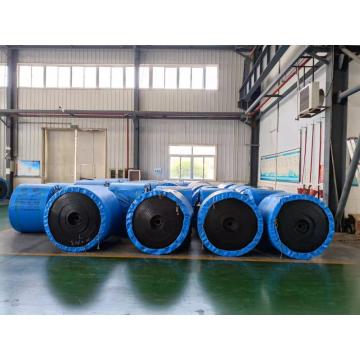
Packaging: Roll packaging,Wooden crate/wooden frame packaging,Palletizing,Special environmental packaging,Bare packaging and simple packaging
Productivity: Month supply capacity of 50000
Transportation: Ocean,Land
Place of Origin: KaiFeng He Nan China
Supply Ability: 500000/㎡
Certificate: ISO 9001 Conformité Européene
HS Code: 59100000
Port: Qing Dao Port,Tian Jin Port,Ning bo Port
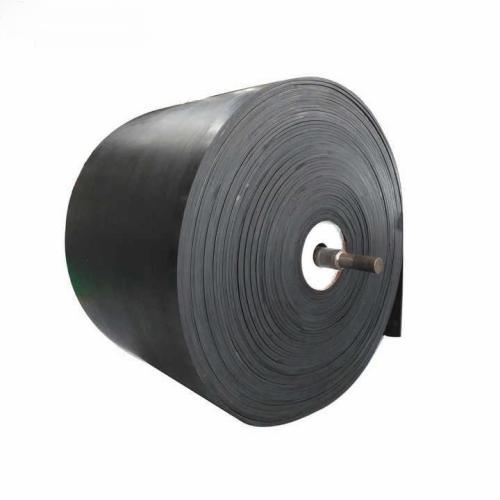
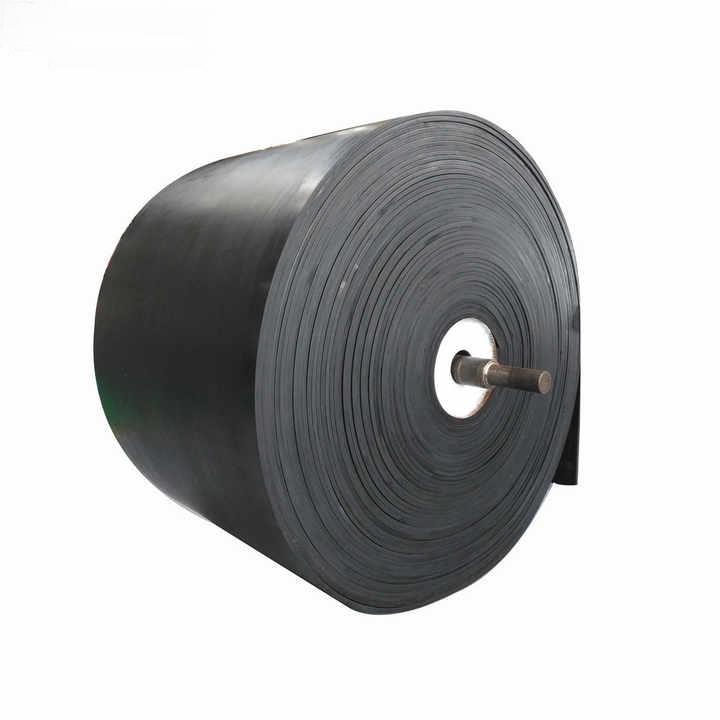
Cotton Canvas Transport
Conveyor Belt – Durable, Eco-Friendly & Cost-Effective Solution for Modern Material Handling This high-performance
Cotton Canvas Conveyor Belt combines natural fiber strength with industrial-grade functionality, offering an ideal balance of flexibility, load capacity, and environmental responsibility. Designed for low-to-medium intensity applications, it delivers reliable operation across diverse industries while minimizing energy use and waste. With customizable tensile strength, a range of surface finishes, and compliance with international safety standards, this fabric belt is engineered to meet global operational demands. Key Features: - Natural Cotton Canvas Core: Woven from premium high-tensile fabric, the belt offers superior shock absorption and a soft surface that protects delicate items such as boxes, wooden crates, or lightweight packaging materials during transit. - Lightweight Design: At 30% lighter than traditional rubber or PVC belts, it reduces mechanical strain on drive systems and lowers power consumption—ideal for sustainable logistics operations. - Easy Installation & Maintenance: Simple splicing options (mechanical or cemented joints) allow for fast setup and minimal downtime, making it perfect for maintenance teams seeking efficiency. - Economical Performance: Among the most cost-effective fabric belts available per meter, it provides excellent value without compromising durability or performance in moderate-duty environments (up to 50 kg/m). - Environmentally Conscious: Fully biodegradable and recyclable, it emits less static electricity than synthetic alternatives—enhancing safety in dust-sensitive facilities like food processing plants or pharmaceutical warehouses. Technical Highlights: The belt supports a maximum tensile strength between 100–300 N/cm, allowing customization based on specific load requirements. Its thickness ranges from 1.5 mm to 6.0 mm, ensuring adaptability for both compact and robust conveyance needs. Operating effectively within temperatures from -10°C to 80°C (14°F to 176°F), it performs reliably in varying climates—from cold storage areas to warm production floors. Surface options include plain, PVC-coated, or rubber-topped variants, enabling tailored friction control and wear resistance depending on material type and handling conditions. Certified under ISO 283 and ROHS, it meets rigorous quality benchmarks for global distribution and workplace safety. Ideal Applications: This versatile belt serves well in manufacturing lines, packaging units, sorting stations, agricultural processing, and light assembly operations where product protection, ease of installation, and sustainability are priorities. It’s especially suited for transporting fragile goods, small parts, or bulk items in environments requiring low noise levels, reduced static buildup, and eco-friendly material choices. Customer Feedback: Users praise its gentle handling of sensitive products, noting fewer damages compared to rigid belts. Many highlight how easy it is to install and replace, significantly cutting down service interruptions. Others appreciate the noticeable drop in energy usage, which contributes to lower utility bills over time. The eco-conscious design has also been commended by companies aiming to reduce their carbon footprint and comply with green certifications. Frequently Asked Questions: What makes this belt different from rubber or PVC alternatives? Unlike synthetic counterparts, this cotton-based solution offers natural elasticity, reduced weight, and biodegradability—making it more sustainable and safer for certain materials. Can it handle heavy loads? It’s optimized for low-to-medium loads up to 50 kg/m. For heavier applications, reinforced versions can be custom-engineered upon request. Is it suitable for dusty or humid environments? Yes—it generates minimal static and maintains consistent performance in both dry and humid settings, including those found in food, textile, and chemical processing sectors. How do I maintain it properly? Regular cleaning, tension checks, and inspection of joints ensure longevity. Avoid sharp objects and excessive moisture exposure to preserve surface integrity.










 Contact Now