
Model No.: TT-A06
Brand: TieTa Rubber
Place Of Origin: China
Processing Service: Moulding, Cutting
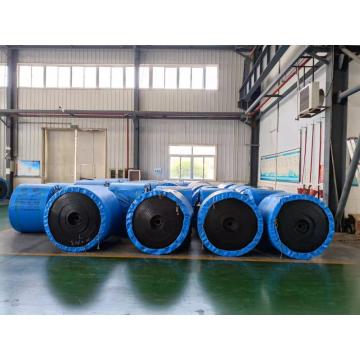
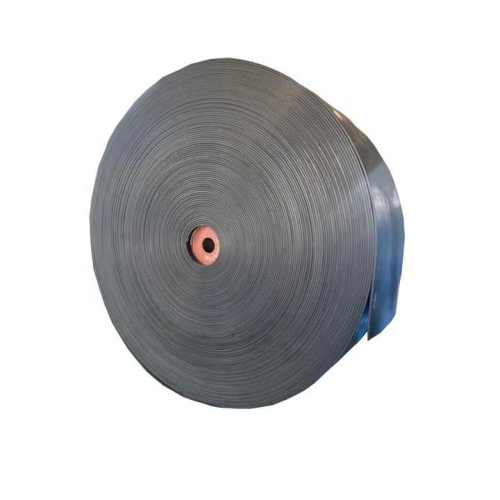
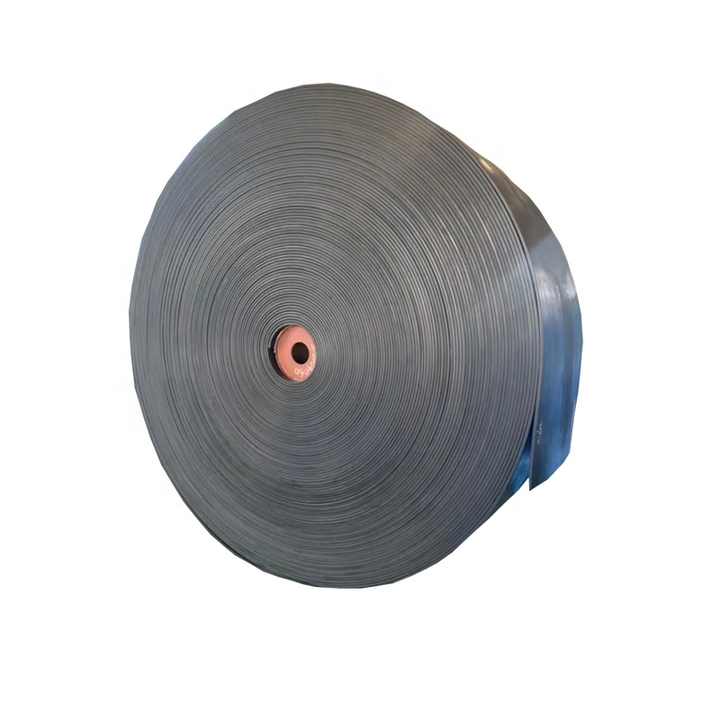
Natural Cotton Canvas Core: Multi layer canvas core structure
Soft, Moisture Absorbing, Breathable: Transportation under normal temperature
Packaging: Roll packaging,Wooden crate/wooden frame packaging,Palletizing,Special environmental packaging,Bare packaging and simple packaging
Productivity: Month supply capacity of 50000
Transportation: Ocean,Land
Place of Origin: KaiFeng He Nan China
Supply Ability: 500000/㎡
Certificate: ISO 9001 Conformité Européene
HS Code: 59100000
Port: Qing Dao Port,Tian Jin Port,Ning bo Port
Payment Type: L/C,T/T,D/A
Incoterm: EXW,FCA,CFR,FOB
A mining
Conveyor Belt is a
High-strength cotton fiber conveyor belt used for the continuous transport of loose materials such as ore, coal, and sand. It mainly consists of a belt body, a skeleton layer, a cover layer, and joints. The working principle of a
Cotton Canvas Conveyor Belt is to drive the conveyor belt to circulate by a drive roller, thereby achieving horizontal or inclined material transport. Compared with traditional transportation methods, the
Cotton Conveyor Belt has the characteristics of high efficiency, low energy consumption, and strong adaptability, making it particularly suitable for large-scale, long-distance mining operations.
Core Functions of Mining Conveyor Belts
(1) High-efficiency transportation: Mining conveyor belts can achieve continuous and stable material transport, significantly improving mining operation efficiency and reducing manual handling costs.
(2) Adaptability to complex environments: To address the harsh conditions of mines, such as dampness, dust, and high wear, mining conveyor belts typically use wear-resistant and corrosion-resistant materials to ensure long-term stable operation.
(3) Energy saving and environmental protection: Compared with vehicle transportation, the electric drive of the conveyor belt is more energy-efficient and reduces exhaust emissions, meeting the environmental protection requirements of modern industry.