Model No.: TT-A10
Brand: TieTa Rubber
Origin: KaiFeng He Nan China
Certification: ISO 9001 Conformité Européene
Place Of Origin: China
Processing Service: Moulding, Cutting
Natural Cotton Canvas Core: Multi layer canvas core structure
Soft, Moisture Absorbing, Breathable: Transportation under normal temperature
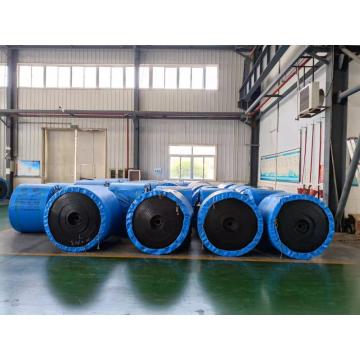
Packaging: Roll packaging,Wooden crate/wooden frame packaging,Palletizing,Special environmental packaging,Bare packaging and simple packaging
Productivity: Month supply capacity of 50000
Transportation: Ocean,Land
Place of Origin: KaiFeng He Nan China
Supply Ability: 500000/㎡
Certificate: ISO 9001 Conformité Européene
HS Code: 59100000
Port: Qing Dao Port,Tian Jin Port,Ning bo Port
Low Elongation Cotton Fiber
Conveyor Belt – Reliable, Durable, and Optimized for Industrial Material Handling This low elongation cotton fiber conveyor belt is engineered for consistent performance in demanding industrial environments. Designed with a robust interwoven fabric structure impregnated with rubber compounds, it delivers exceptional tensile strength, minimal stretch under load, and long service life—making it an ideal solution for both short- and long-distance bulk material transport across multiple sectors. Key Features: - Engineered for low deformation under tension, ensuring precise alignment and reduced downtime - High abrasion resistance from premium cotton cord reinforcement and high-quality rubber coating - Stable operation at ambient temperatures up to 60°C, suitable for indoor and semi-outdoor applications - Excellent flexibility for smooth transitions over pulleys and idlers without premature cracking - Economical alternative to synthetic belts where moderate loads and distances are involved Detailed Description: The low elongation cotton fiber conveyor belt combines traditional textile durability with modern engineering precision. Its core construction features tightly woven cotton cords embedded in a resilient rubber matrix, providing balanced elasticity and structural integrity. Unlike conventional belts that may sag or stretch over time, this design maintains dimensional stability even under continuous operation. The surface finish is optimized for friction control, minimizing slippage while enhancing grip on granular or powdered substances. Whether transporting cement, sand, coal, fertilizers, or ore, the belt ensures reliable throughput with minimal maintenance requirements. Ideal Applications: In the building materials industry, this belt excels in conveying raw components like cement, aggregates, and sand across construction sites and processing plants. For chemical manufacturers, it offers safe handling of non-corrosive powders such as plastic resins, urea, and phosphate-based fertilizers—without risk of degradation from exposure to mild chemicals. In mining and metallurgy, it supports efficient movement of crushed rock, coke, and iron ore within stockyards and loading facilities. It also performs reliably in port logistics systems where extended conveyance paths demand high durability and consistent load-bearing capacity. Even in challenging conditions—such as dusty environments or fluctuating humidity levels—the belt’s stable profile reduces wear and extends operational cycles between replacements. User Feedback: Operators from various global regions have praised its reliability in daily operations. One user in South Africa noted how it significantly decreased belt replacement frequency compared to previous models during coal handling at a thermal power station. A European chemical plant manager highlighted improved product consistency due to reduced belt creep, which minimized spillage and cleaning efforts. Many users appreciate the cost-effectiveness of this solution, especially when balancing performance needs with budget constraints. Frequently Asked Questions: What makes this conveyor belt different from standard cotton belts? It features enhanced fabric bonding and controlled elongation properties, reducing stretch by up to 30% compared to traditional versions—ideal for systems requiring precise speed synchronization. Is it suitable for outdoor use? Yes, though it performs best in sheltered or covered areas. Prolonged UV exposure should be avoided to maintain optimal rubber integrity. Can it handle abrasive materials like gravel or metal scrap? While designed primarily for granular and blocky materials, it can manage moderate abrasion levels but may require more frequent inspection in highly abrasive settings. How often does it need replacement? Typically every 18–24 months depending on load intensity, operating hours, and environmental factors. Regular monitoring and proper tensioning extend its lifespan further.










 Contact Now