Model No.: TT-G002
Brand: TieTa Rubber
Origin: KaiFeng He Nan China
Certification: ISO9001,Conformité Européene
Corrosion Resistant Material Combination: chemical resistance
Anti-seepage Structure: Adaptability to working conditions
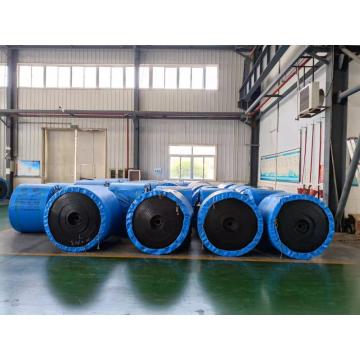
Packaging: Roll packaging,Wooden crate/wooden frame packaging,Palletizing,Special environmental packaging,Bare packaging and simple packaging
Productivity: Month supply capacity of 50000
Transportation: Ocean,Land
Place of Origin: KaiFeng He Nan China
Supply Ability: 500000/㎡
Certificate: ISO9001,Conformité Européene
HS Code: 4010110000
Port: Qing Dao Port ,Tian Jin Port,Ning Bo Port
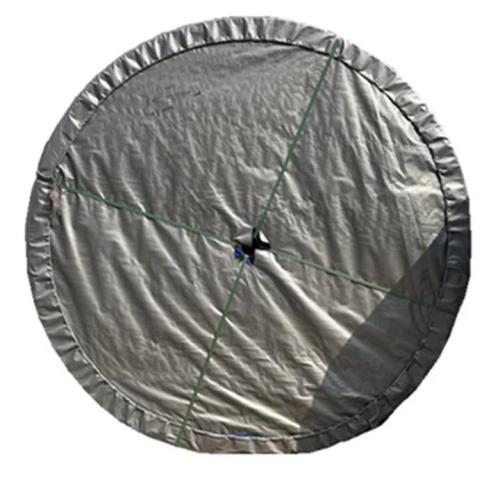
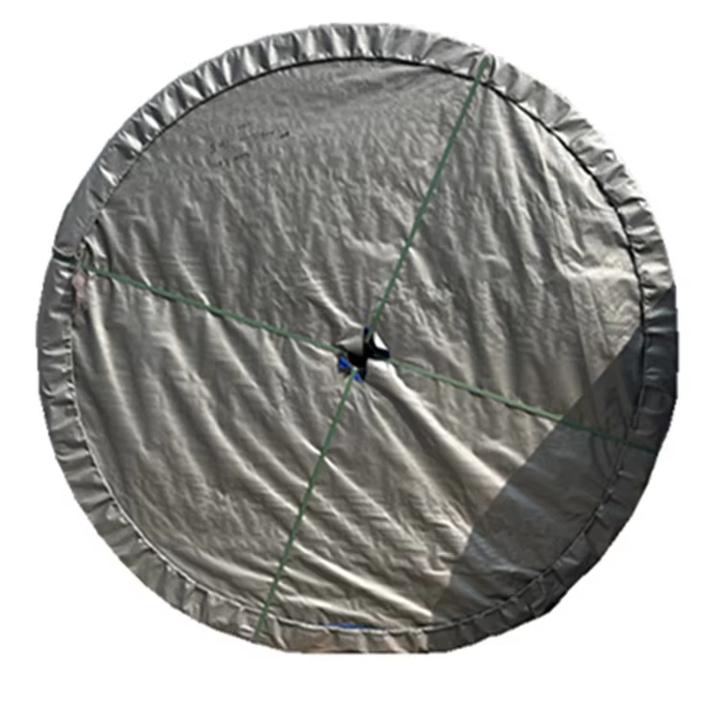
Acid And Alkali Resistant Conveyor Belt – Durable, High-Performance Material for Industrial Applications This industrial-grade
Conveyor Belt is engineered to withstand harsh chemical environments, offering exceptional resistance to both acidic and alkaline substances. Designed for demanding manufacturing and processing operations, it ensures reliable performance under continuous exposure to corrosive agents such as sulfuric acid, hydrochloric acid, and various caustic solutions. With a robust structure and advanced material composition, this belt delivers long-term durability, minimal maintenance, and consistent operational efficiency across diverse global industries. Key Features: - Chemical Resistance: Demonstrates superior resilience in 40% H₂SO₄ solution at ambient temperature (15–25°C), maintaining an acid resistance coefficient of ≥ 0.8 after 24-hour immersion—ensuring safe handling of aggressive chemicals without degradation. - Flexibility & Shape Stability: Maintains Shore A hardness between 55 ± 5 degrees, providing optimal balance between flexibility and dimensional integrity during high-speed or heavy-load conveying tasks. - Strong Adhesion Technology: The fabric-to-adhesive bond strength meets rigorous standards—≥ 3.2 N/mm when the cover adhesive exceeds 1.5 mm, and ≥ 2.8 N/mm for thinner layers—preventing delamination and enhancing structural reliability. - Layered Construction: Utilizes polyester (EP) or nylon cord fabric layers with uniform interlayer adhesion strength (≥ 3.2 N/mm), minimizing internal stress buildup and extending service life even under dynamic conditions. Detailed Description: The conveyor belt’s core design integrates chemically inert polymers with reinforced textile cords, creating a composite system that resists swelling, cracking, and surface erosion caused by prolonged contact with acids and bases. Its multi-layer construction includes a wear-resistant top cover, a strong carcass layer for tensile support, and a flexible bottom cover for smooth operation on pulleys and idlers. This configuration not only improves abrasion resistance but also reduces energy consumption due to lower frictional losses. Unlike standard rubber belts, which may degrade rapidly in acidic environments, this product maintains mechanical properties over extended periods, reducing downtime and replacement costs. The belt’s surface finish allows for easy cleaning, making it ideal for food processing, chemical plants, and metal treatment facilities where hygiene and contamination control are critical. Ideal Use Cases: Suitable for industries including pharmaceuticals, wastewater treatment, mining, steel production, and battery manufacturing, where conveyance of acidic or alkaline materials is routine. It excels in applications involving wet or dry chemical transport, such as transporting sulfuric acid in fertilizer plants, handling alkaline sludge in water purification units, or moving corroded metal parts through electroplating lines. Its versatility makes it a preferred choice for automated systems requiring consistent performance in extreme chemical exposure scenarios. Customer Feedback: Users report significant improvements in belt longevity compared to conventional alternatives, especially in environments with frequent pH fluctuations. Many highlight its ability to reduce unexpected breakdowns and improve workflow continuity in chemical processing units. One operator noted, “After switching to this belt, we saw no signs of deterioration after six months of continuous use in our sulfuric acid handling line.” Another praised its ease of installation and compatibility with existing conveyor systems, emphasizing cost savings from reduced maintenance cycles. Frequently Asked Questions: What makes this conveyor belt different from regular rubber belts? It features specialized polymer compounds and reinforced fabric layers that resist chemical attack, ensuring longer lifespan and safer operation in corrosive settings. Is it suitable for both acidic and alkaline environments? Yes, the belt has been tested against multiple chemical types, including strong acids like H₂SO₄ and bases like NaOH, demonstrating stable performance across a wide pH range. How does the adhesive strength impact durability? High adhesive strength between layers prevents separation under tension, vibration, or thermal cycling, thereby increasing overall belt integrity and reducing failure risks. Can it be customized for specific widths or lengths? While standard sizes are available, many manufacturers offer tailored configurations based on customer specifications to match unique conveyor system dimensions. Does it require special maintenance? Routine inspection for wear, proper tensioning, and periodic cleaning with neutral detergents are recommended to maximize operational life and ensure optimal chemical resistance.










 Contact Now